What is a decanter used for?
The word covers two quite different jobs.
For wine, decanting does two things. It exposes the wine to oxygen, which can soften young, tannic reds, and it lets you pour an older wine off its sediment. Wine is normally drunk within hours of decanting.
To decant wine, stand the bottle upright for a few hours if it is old, so sediment settles. Pour slowly and steadily into the decanter with a light behind the neck, and stop when sediment reaches the shoulder. Young reds often benefit from 30 minutes to an hour in the decanter; delicate old wines may need only a few minutes before serving.
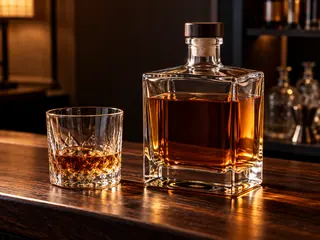
For spirits, a decanter is a serving and display vessel. Whiskey, brandy, rum and other spirits at around 40% alcohol by volume or higher change very slowly. Decanting is about presentation and ritual: a heavy crystal-look vessel on a bar cart, often with matching glasses as a decanter set.
What is the difference between a wine decanter and a whiskey decanter?
| Feature | Wine decanter | Whiskey or liquor decanter |
|---|---|---|
| Main purpose | Aerate wine, separate sediment | Store and present spirits |
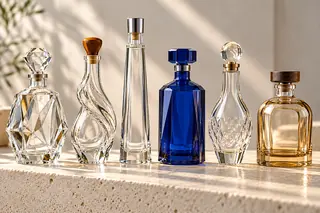
| Shape | Wide base, long neck | Square, round or faceted, heavy base |
| Typical capacity | Holds a 750 ml bottle with room for air | About 700 ml to 1 L (23.7–33.8 fl oz) |
| Stopper | Often none | Tight glass or cork-shank stopper |
| Storage time | Hours | Weeks to months |
| Glass weight | Often thin, light | Usually thick and heavy |
A wine and whiskey decanter combination exists, but the two needs conflict: wine benefits from a large air surface, spirits from a small, sealed one. If you sell both, design two vessels. Decanters for olive oil and vinegar are a third category, closer to a cruet with a pourer.
How long does whiskey last in a decanter?
Whiskey in a well-sealed decanter can keep its character for many months. What causes change is air contact and evaporation, which depend almost entirely on the stopper.
- Airtight stopper: slow change; good for months of storage.
- Loose glass stopper: gradual evaporation of alcohol and aroma; better for spirits you finish within weeks.
- Half-empty decanter: more air in the vessel speeds oxidation; move the remainder to a smaller vessel if it will sit long.
Keep decanters out of direct sunlight and away from heat. Light and warmth affect color and aroma over time, especially in clear glass.
Crystal, lead-free crystal or glass: which decanter material is best?
Lead crystal
Traditional lead crystal is heavy, very clear and sparkles when cut. Lead can migrate into drinks, and the amount grows with storage time and with alcohol or acidity. For that reason, food-safety authorities have advised against storing beverages in lead crystal long term. If you use it, treat it as a serving vessel only and confirm the rules for your market.
Lead-free crystal
Lead-free crystal, sometimes called crystalline glass, replaces lead oxide with other oxides to achieve high clarity and brilliance. It is the usual choice for a modern crystal decanter or lead-free crystal whiskey decanter sold for long-term use.
Soda-lime glass and borosilicate
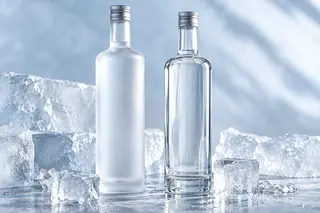
Most commercial glass decanters use soda-lime glass, in flint or super flint. Super flint gives a crystal-like look at lower cost. Borosilicate glass is lighter and resists thermal shock, and it is often hand-blown into elegant shapes. Our handmade borosilicate glass decanter, 750 ml is available in clear or frosted with a cork stopper and a 2,000-piece MOQ.
What stopper does a decanter need?
The stopper decides how well a decanter protects its contents.
- Ground glass stoppers are polished to fit one specific decanter. They look classic but are rarely fully airtight.
- Glass-head stoppers with a synthetic cork shank combine the look of glass with a reliable seal. A round glass-head synthetic cork stopper, 19.5–22.5 mm is a common choice, with MOQs from 1,000 pieces.
- Wood or metal-head corks suit rustic or heavy decanter styles.
Match the shank to the decanter's bore and test extraction force. Our cork stoppers guide explains how.
Can a decanter be used as retail spirits packaging?
Many premium brands sell spirits in decanter-style bottles: short, broad, heavy glass with a large stopper. Consumers often keep and reuse them, which extends brand visibility long after the spirit is gone.
A decanter used as a retail bottle must behave like a spirits bottle on your line:
- Accurate capacity at a consistent fill height, in a legal size for your market such as 700 ml or 750 ml.
- Stable, consistent neck bore so stoppers seal reliably.
- Tamper evidence, such as a capsule, seal or neck strip.
- Packability: heavy, wide decanters need strong cartons or gift boxes with inserts.
A faceted square glass spirits bottle, large capacity gives a decanter look from a stock mold. Our whiskey bottles guide covers sizes and conventions for brown spirits.
How do you source custom decanters and decanter sets?
For brands, hospitality groups and gift companies, a custom decanter usually follows one of three routes:
- Stock decanter plus decoration: add a logo by screen printing, decals, frosting or hot stamping.
- Modified mold: emboss a logo or crest into the base or shoulder.
- Fully custom mold: a new shape built from your drawing, such as a sculpted design like our stock animal-shaped glass decanter.
When you request a quote, specify the brimful and fill capacity, target glass weight, base thickness, stopper type and bore, decoration, and whether the decanter will be filled on a line or sold empty. Ask for samples with the actual stopper and check fit, stability and how the decanter looks with your spirit inside.
Decanter sets with matching glasses, trays or wooden cases are usually assembled from several suppliers, so plan dimensions and packaging together. A rigid spirits gift box with molded foam insert protects a heavy decanter in transit, and our liquor gift boxes guide explains insert and box options.
Key takeaways
- Wine decanters aerate and remove sediment; whiskey decanters are mainly for storage and presentation.
- Whiskey keeps for many months in a decanter with an airtight stopper, kept full and out of sunlight.
- Avoid long-term storage of spirits in lead crystal; lead-free crystal or glass avoids the issue.
- A glass-head stopper with a synthetic cork shank seals better than most ground glass stoppers.
- Decanter-style retail bottles must meet normal spirits bottling requirements.
- Custom decanters range from decorated stock items to fully custom molds.
How Mars Glass can help
Mars Glass supplies glass decanters, decanter-style spirits bottles, glass-head stoppers and rigid gift boxes from Shanghai. We decorate by screen printing, decals, frosting, spray coating, hot stamping and in-mold embossing, send samples before mass production and quote within one business day.
- Browse our spirits bottles for decanters and heavy-base designs.
- Contact us with your capacity, quantity and decoration plan.
Frequently asked questions
What is a decanter used for?
A decanter is a glass vessel for serving wine or spirits. With wine, decanting exposes the wine to air and separates it from sediment. With whiskey and other spirits, a decanter is mainly used for presentation, because spirits change very little with brief air contact.
Does a decanter make whiskey taste better?
Not noticeably. Whiskey is high in alcohol and stable, so pouring it into a decanter does not improve it the way air can soften a young red wine. The benefits are presentation, a heavier and more elegant serving vessel, and a consistent look on a home or hotel bar.
How long does whiskey last in a decanter?
In a decanter with a well-fitting, airtight stopper, whiskey can keep its character for many months. A loose stopper allows slow evaporation and oxidation, which speeds up as the level drops. For long storage, keep the decanter full, sealed, cool and out of direct sunlight.
Is it safe to store whiskey in a lead crystal decanter?
Lead can migrate from lead crystal into beverages, and the amount increases with storage time and with acidic or alcoholic contents. Food-safety authorities have advised against storing drinks in lead crystal for long periods. Lead-free crystal or ordinary glass avoids the concern.
What is the difference between a wine decanter and a whiskey decanter?
A wine decanter usually has a wide base to expose more wine to air and often has no stopper, because wine is served soon after decanting. A whiskey decanter is narrower and heavier, holds roughly 700 ml to 1 liter, and has a tight stopper because spirits are stored in it.
Can a brand sell its spirit in a decanter?
Yes. Decanter-style bottles are used for premium and limited-edition spirits. They must still meet the same requirements as any spirits bottle in your market, including accurate capacity, a consistent fill level and a suitable closure.