What are the main types of syrup bottles?
Syrup is a broad category, and the bottle depends on the product and how it is dispensed. The four groups below cover most buyers.
| Syrup type | Typical bottle | Common sizes | Typical closure |
|---|---|---|---|
| Maple syrup, retail | Round, square or flask glass bottle | 250, 375, 500 ml (8.45, 12.7, 16.9 fl oz) | Lined metal screw cap or ROPP cap |
| Maple syrup, gift and favors | Maple leaf, flask or mini round bottle | 50, 100, 250 ml (1.7, 3.4, 8.45 fl oz) | Small screw cap or synthetic cork |
| Coffee syrup | Tall round bottle | 750 ml and 1 L (25.4, 33.8 fl oz) | Screw cap, replaced by a pump in use |
| Bar and simple syrup | Round, square or swing-top bottle | 250–750 ml (8.45–25.4 fl oz) | Pourer, screw cap or swing top |
| Fruit syrups, honey syrups | Bottle or wide-mouth jar | 100–500 ml (3.4–16.9 fl oz) | Lug or screw lid |
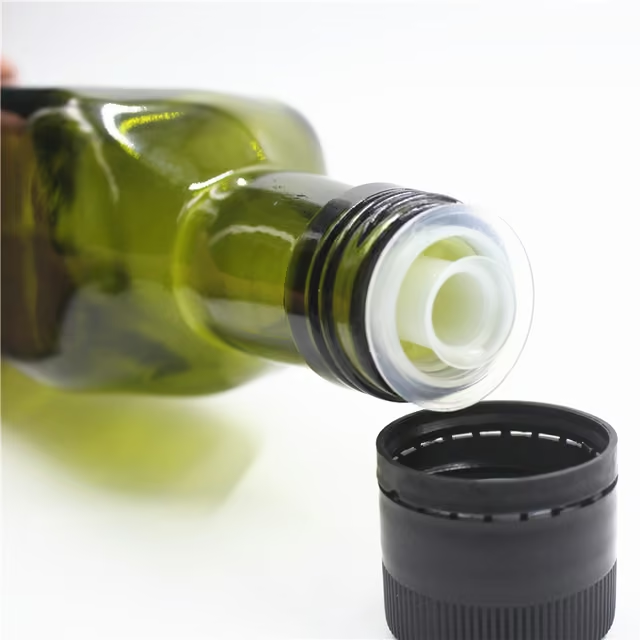
The bottle shapes are often the same ones used for olive oil and vinegar, because those products also need a narrow, controllable pour. Our olive oil bottle guide covers those shapes and finishes in more detail.
Why use glass maple syrup bottles?
Glass is the traditional premium package for maple syrup, and it has practical advantages beyond looks:
- Barrier. Glass is essentially impermeable to oxygen and water vapor. In long storage, syrup in many plastic jugs can darken and lose flavor faster than syrup in glass.
- Hot filling. Maple syrup is commonly packed hot, typically around 180 to 190 °F (82 to 88 °C), which helps with shelf stability. Glass takes this temperature without softening.
- Grade display. Syrup grade is described largely by color, from golden to very dark. A clear flint bottle shows it at a glance.
- Reuse and gifting. Customers keep good-looking bottles, which helps a farm brand stay on the kitchen shelf.
The trade-offs are weight, breakage risk in shipping and a higher cost per unit than plastic. Many producers use glass for retail and gift sizes and plastic or metal for bulk sizes of a half gallon (1.89 L) and up.
What size are maple syrup bottles?
Retail maple syrup in the US is often sold in metric bottle sizes labeled with both units. The most common glass sizes are:
- 50 ml (1.7 fl oz) — miniature syrup bottles for samples, hotel breakfasts, wedding favors and gift sets.
- 100 ml (3.4 fl oz) — small maple syrup bottles for tasting boxes and corporate gifts.
- 250 ml (8.45 fl oz) — the entry retail size and the most popular gift size.
- 375 ml (12.7 fl oz) and 500 ml (16.9 fl oz) — everyday retail sizes for farm shops and grocery.
- Quart (946 ml, 32 fl oz) and larger — mostly plastic or metal, though glass quarts exist.
Weight matters as well as volume. Maple syrup is dense, roughly 1.3 kg per liter, so a 500 ml bottle holds about 0.66 kg (1.45 lb) of syrup. Check case weight and carton strength before you settle on a pack size. Our capacity converter tool helps when you need to label both ml and fl oz.
What are maple leaf syrup bottles?
Maple leaf bottles are flat glass bottles molded in the outline of a maple leaf, with a short neck in the stem position. They are a classic souvenir and gift format, usually in 50 to 500 ml sizes, and are typically closed with a small screw cap or a synthetic cork stopper.
Points to check before you order them:
- Fill line. The shape makes fill height sensitive. Test a sample with your filler, because a small volume difference shows clearly in the narrow stem.
- Labeling. The faces are flat but irregular. Many producers use a hang tag, a neck label or a small printed label on the center of the leaf rather than a full wrap.
- Stability. Leaf shapes stand on a narrow base. Confirm they stand well on a shelf and in the carton.
- Packing. Flat shapes need dividers to stop face-to-face contact in transit.
We do not list a maple leaf bottle as a stock item. It can be quoted as a custom mold from your drawing or a reference bottle, with samples before mass production. If you want a gift shape without mold cost, a stock flat flask such as our flat glass bottle in 50–250 ml gives a similar profile.
Which closures work for syrup bottles?
Sugar is the main challenge. Syrup that dries on the neck crystallizes, glues caps shut and attracts insects, so pick a closure that limits drips and cleans easily.
- Lined metal screw caps are the most common choice for maple syrup. A liner suited to hot filling, such as a plastisol or suitable foam liner, gives a good seal and some vacuum as the syrup cools.
- ROPP aluminum caps give tamper evidence and a clean look, but need a capping head. A 28 mm ROPP pilfer-proof cap with a TPE liner is one option to test.
- Pourer caps with a plastic insert cut drips for thinner syrups and bar use. Test thick syrups first, because high viscosity can make inserts pour slowly.
- Synthetic corks suit gift and maple leaf bottles but are not ideal for hot filling or long storage after opening.
- Pumps are standard for coffee syrup in cafes. The pump thread must match the bottle finish, so request the finish drawing.
Our bottle neck finishes guide explains how to match caps to necks.
What bottles work for coffee syrup and bar syrup?
Coffee syrup bottles for cafes are typically 750 ml or 1 L (25.4 or 33.8 fl oz), tall and round so they fit a syrup rack and take a pump. Small coffee syrup bottles of 250 to 375 ml suit retail and subscription boxes. Glass coffee syrup bottles look better on a back bar and are easy to recycle, but check pump fit and rack dimensions first.
Bar syrup bottles hold simple syrup, grenadine, orgeat and similar mixers. Bars like a bottle that takes a speed pourer, so a straight neck and a bore that fits standard pourers matter more than shape.
Glass bottles for simple syrup should be easy to wash and refill. A swing-top bottle such as our swing-top flint glass bottle, 150–1000 ml works for house-made syrups, while sealed retail products should use a tamper-evident cap. See our liquor pourers guide for spout options.
Are maple syrup jars a good alternative to bottles?
Maple syrup jars are popular for gift sets, maple cream and very thick syrups. A wide mouth makes it easy to spoon or dip, and jars stack well in gift boxes. They pour less neatly than a bottle, so for liquid syrup most producers stay with bottles.
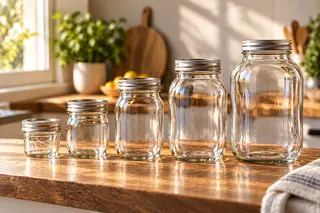
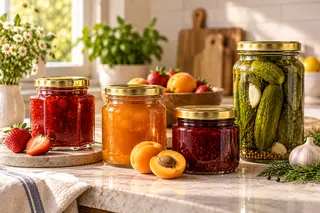
Small jars of 30 to 100 ml (1 to 3.4 fl oz) make good mini syrup favors. A wide-mouth mason style jar with a lined lid also suits maple syrup jars in bulk, and the same jar can carry honey or jam in a mixed gift set. Our honey jars guide covers jar shapes and lids for viscous products.
How do you buy syrup bottles wholesale?
For maple syrup bottles bulk orders or any wholesale syrup bottles, plan the whole package, not just the glass:
- Choose shape and size, then get the neck finish drawing.
- Choose the closure and liner for your fill temperature.
- Fill-test samples with your syrup at production temperature. Check leaks, vacuum and how the bottle cools.
- Plan labeling. Round bottles take wrap labels; square bottles give flat panels. Decide whether you want direct printing for a permanent look.
- Plan packing. Ask for carton or pallet configuration and estimate how many bottles fit in a container before you compare freight quotes.
Stock bottles keep MOQs and lead times lower. Round or square oil-style bottles such as our amber or green glass bottle, 250–750 ml work well for syrup. Amber glass suits light-sensitive fruit syrups; see our amber glass bottles and jars guide.
Key takeaways
- Most glass syrup bottles are 50 to 1,000 ml (1.7 to 33.8 fl oz); 250 to 500 ml covers the core maple syrup range.
- Glass protects syrup from oxygen, tolerates hot filling around 180 to 190 °F (82 to 88 °C) and shows the grade color.
- Preheat bottles before hot filling and use liners rated for the temperature.
- Maple leaf bottles are a gift format; they need fill, stability and packing checks.
- Coffee syrup bottles are usually 750 ml or 1 L and must match the pump thread.
- Test real samples with your syrup and filling line before a volume order.
How Mars Glass can help
Mars Glass supplies stock and custom glass bottles, jars and closures from Shanghai, with stock samples for fill testing and custom molds for shapes such as maple leaf bottles. Quotes come back within one business day, and MOQs are listed on each product page.
- Olive oil and syrup-style bottles
- Glass jars for syrup, honey and gift sets
- Request a syrup bottle quote
Frequently asked questions
What size are maple syrup bottles?
Common retail sizes are 50 ml (1.7 fl oz) and 100 ml (3.4 fl oz) minis, 250 ml (8.45 fl oz), 375 ml (12.7 fl oz) and 500 ml (16.9 fl oz) bottles, plus quart (946 ml) and larger containers. Gift and favor bottles are usually 50 to 250 ml. Choose the size by price point and how quickly the customer will use the syrup after opening.
Is glass or plastic better for maple syrup?
Glass is essentially impermeable to oxygen and moisture, so syrup keeps its color and flavor better during long storage than in many plastic jugs. Glass also tolerates hot filling and looks premium on the shelf. Plastic is lighter and cheaper to ship, which is why bulk and food-service sizes often use it.
Can you hot fill glass syrup bottles?
Yes, glass is well suited to hot filling, and maple syrup is commonly packed hot, typically around 180 to 190 °F (82 to 88 °C). The risk is thermal shock, so bottles should be preheated or at room temperature rather than cold. Use closures with liners rated for the fill temperature.
What kind of bottle is used for coffee syrup?
Coffee shop syrups are usually sold in 750 ml (25.4 fl oz) or 1 liter (33.8 fl oz) bottles with a screw finish that accepts a pump. Retail coffee syrups often use smaller 250 to 375 ml bottles. Confirm that the pump thread matches the bottle neck finish before ordering.
How do I tell how old a glass syrup bottle is?
Look at the mold seams and the lip. On machine-made bottles, which became dominant roughly from the 1910s to the 1920s, the seam runs all the way through the lip, while older mouth-blown bottles often have a hand-finished lip where the seam stops below it. Embossed lettering, bubbles and uneven glass thickness are further clues, but dating is best confirmed by a collectors' reference.
Where can I buy glass syrup bottles wholesale?
Producers usually buy from a glass packaging supplier or factory, either stock bottles by the pallet or custom shapes by the container. Ask for the neck finish drawing, matching closures, a sample for fill tests and the MOQ for each size. Stock round and square oil-style bottles are widely used for syrup.