Why is glass considered eco-friendly packaging?
Glass has several properties that make it a strong candidate for eco friendly bottles and eco friendly bottle packaging:
- Recyclable in a closed loop. A glass bottle can be melted and made into a new bottle again and again, without the loss of quality seen when many other materials are recycled.
- Inert. Glass does not react with food, drinks or spirits and does not shed microplastics, which supports long shelf life with little product loss.
- Natural raw materials. Sand, soda ash and limestone are abundant.
- Reusable. Thick, durable bottles such as swing-tops can be washed and refilled many times.
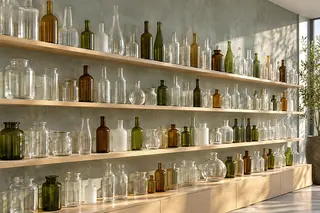
- Valued by consumers. Glass is widely seen as premium and responsible, and empty decoration bottles often get a second life at home as vases, carafes or storage.
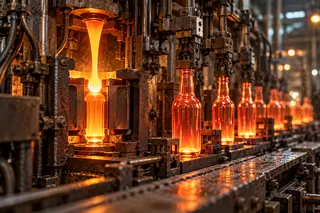
The weakness is energy and weight. Melting glass takes a lot of heat, and a glass bottle weighs much more than a PET or aluminum container of the same size. That is why sustainable bottles are as much about design and logistics as about the material itself.
How does recycled glass (cullet) reduce emissions?
Cullet is crushed, cleaned recycled glass that goes back into the furnace with the raw batch. It helps in two ways:
- Less energy. Cullet melts more easily than raw materials. Industry rules of thumb put the energy saving at roughly 2–3% for every 10% of cullet added.
- Less process CO₂. Soda ash and limestone release carbon dioxide when heated. Every tonne of cullet replaces raw materials that would have released that CO₂.
Recycled content varies with color. Amber and green glass can tolerate more mixed cullet, while flint and especially super flint glass need clean, color-sorted clear cullet to keep their clarity. In regions with deposit systems or separate glass collection, cullet supply is better and recycled content can be higher. If you want recycled glass packaging with a stated recycled content, ask your supplier what they can document for that specific bottle and color.
Buyers searching for recycled glass bottles wholesale should know that recycled content is set at the furnace, not at the bottle. Any container glass may contain cullet; what differs is how much, and whether it can be verified.
How does glass compare with PET, aluminum and paper bottles?
No packaging material wins in every situation. This comparison shows the main trade-offs for sustainable beverage packaging and other eco friendly beverage packaging options:
| Factor | Glass | PET plastic | Aluminum can or bottle | Paper bottle |
|---|---|---|---|---|
| Weight | Heaviest | Very light | Light | Light |
| Recyclability | Recycled repeatedly without quality loss | Recyclable; quality can degrade over cycles | Highly recyclable | Depends on liner; often harder |
| Barrier to oxygen and flavor | Excellent | Moderate; varies by grade | Excellent with internal lining | Depends on liner |
| Reuse potential | High for durable bottles | Limited | Low | Very low |
| Transport footprint | Highest per unit | Low | Low | Low |
| Premium perception | High | Lower | Medium | Varies; seen as novel |
Paper bottles appeal because they look natural, but most hold the liquid in a plastic or other barrier liner, so they are not paper alone. Aluminum is light and well recycled, but its production is energy-intensive and cans usually have a polymer lining. PET is light but shorter on barrier and quality over repeated recycling.
For recyclable beverage packaging decisions, life-cycle assessments (LCAs) that cover your actual bottle weight, recycled content, transport route and end-of-life rates are more reliable than general comparisons.
How can you make a glass bottle lighter?
Lightweighting reduces raw material, furnace energy and freight emissions all at once. Options include:
- Choose a lighter stock bottle. Two 750 ml bottles of similar shape can differ in weight by hundreds of grams. Ask for the weight on every quote.
- Avoid unnecessary heavy bases. A thick punt or heavy base signals premium quality, but it adds a lot of glass. Consider whether decoration or a distinctive closure can carry the premium cue instead.
- Use rounder shapes. Round bottles distribute stress evenly and can be made with thinner walls than square or faceted shapes.
- Consider narrow-neck press-and-blow bottles for high-volume beverages, which allow thinner, more even walls.
Lightweight glass bottles still need to survive filling, capping and transport, so test samples on your own line.
Transport is the other half of the footprint. A few practical steps make a measurable difference:
- Fill containers completely. A full 40' container spreads the shipping emissions over more bottles. Our container load calculator helps you plan quantities.
- Ship by sea, not air. Ocean freight has a much lower footprint per tonne than air freight for heavy goods like glass.
- Pack efficiently. Pallet patterns and carton sizes that match the bottle reduce wasted space and breakage, and every broken bottle wastes all the energy that went into it.
- Order less often, in larger lots, where storage allows, to reduce part-load shipments. Our article on how glass bottles are made explains why shape and forming process affect weight.
Does decoration affect how recyclable a bottle is?
Yes, so plan decoration with end-of-life in mind.
- Labels: paper and standard pressure-sensitive labels are generally handled by glass recycling; full-body plastic shrink sleeves can interfere with sorting in some systems.
- Direct printing: screen printing and frosting add little material to the bottle. Some inks and metallic effects may matter to specific recycling schemes, so check local guidance.
- Spray coating: fully coated bottles can be harder for optical sorters to identify by color.
- Attached non-glass parts: glued metal badges or permanent decorations should be avoided if the bottle is meant to be recycled.
Our guide to glass bottle decoration methods compares the options, and bottle labels vs direct printing covers the trade-offs in more detail.
What about closures and secondary packaging?
The bottle is only part of the pack. To make the whole package easier to recycle:
- Choose closures that separate cleanly from the glass, such as aluminum screw caps or 28 mm ROPP aluminum caps.
- For bar-top stoppers, a single-material head is simpler than mixed wood, metal and synthetic parts.
- Use paper-based gift packaging, such as a kraft paper gift tube, instead of plastic inserts where protection allows.
- Size shipping cartons to the bottle to reduce void fill.
Can glass bottles be reused?
Reuse can cut the footprint of glass further, because the energy of melting is spread over many trips. Refillable systems work best for local or regional products, such as dairy, beer, water and soft drinks, where bottles can be collected, washed and refilled close to the market.
Bottles for reuse need to be thicker and more durable than one-way bottles, with standardized shapes that wash and refill well. Swing-top bottles, such as our swing-top glass beverage bottles in 200–1000 ml, are a popular choice for refill and reuse.
How should you talk about sustainability on your packaging?
Environmental claims are regulated in many markets. In the US, the FTC's Green Guides set out how claims such as "recyclable" and "recycled content" should be substantiated. In the EU, packaging and green-claims rules are tightening, and several US states have passed extended producer responsibility (EPR) laws for packaging. Make only specific claims you can back with data, and confirm current rules for each market with your compliance advisor.
Key takeaways
- Glass is inert, recyclable without quality loss and reusable, but heavy; its footprint depends on weight, recycled content and transport.
- Cullet saves furnace energy and process CO₂; recycled content is easier in amber and green than in super flint glass.
- Lightweighting is one of the most effective changes; ask for bottle weight on every quote.
- Choose decoration, closures and gift packaging that recycle easily.
- Base claims on data and confirm current environmental claim rules for your market.
How Mars Glass can help
Mars Glass supplies stock and custom glass bottles, closures and gift boxes from Shanghai. We can quote bottles, aluminum closures and paper-based gift boxes for the same project, and develop custom molds from your drawing or reference bottle.
- Browse our beverage bottles.
- Contact us with your current bottle and goals for a quote within one business day.
Frequently asked questions
Is glass packaging sustainable?
Glass can be a sustainable choice because it is inert, can be recycled repeatedly without losing quality, and suits reuse and refill systems. Its main drawback is weight, which raises energy use in melting and emissions in transport. The real footprint depends on bottle weight, recycled content, transport distance and whether the bottle is recycled or reused.
Is glass better for the environment than plastic?
It depends on the use case. Single-use glass is heavier than PET, so it often has a higher carbon footprint per bottle in transport-heavy supply chains. Glass performs better when it is light, made with high recycled content, shipped short distances, reused, or when product protection and long shelf life matter. Glass also does not shed microplastics.
What is cullet?
Cullet is crushed recycled glass that is melted with new raw materials to make new bottles. It melts at a lower energy cost than sand, soda ash and limestone, and it avoids the carbon dioxide released when those carbonates are heated.
Are paper bottles more sustainable than glass?
Paper bottles are much lighter than glass, but most need a plastic or other barrier liner to hold liquids, which can make recycling harder. They also have limited track records for long shelf life and carbonation. Compare full life-cycle data for your product and market before switching.
Can recycled glass be used for food and beverage bottles?
Yes. Recycled glass is routinely melted into new food and beverage containers, because the high furnace temperature produces fresh, inert glass. The amount of recycled content depends on the color and on how much clean, sorted cullet is available locally.
What makes a glass bottle easier to recycle?
Choose standard colors such as flint, amber or green, use labels and decoration that recycling systems can handle, avoid permanently attached non-glass parts, and pick closures that separate easily. Check the guidance of your local recycling system or packaging compliance scheme.